

AdvisoryNetPest Cross-Visit on Biodynamic Viticulture in Plešivica, Croatia

On 22 October 2025, the South Eastern Europe Advisory Service Network (SEASN) organized a cross-visit within the AdvisoryNetPest project, focusing on biodynamic approaches in viticulture as a means to reduce pesticide use and strengthen vineyard resilience. The event took place in the wine-growing region of Plešivica, near Zagreb, Croatia, gathering agricultural advisors from across the region.
Tomac Winery – A Pioneer of Biodynamic Viticulture in Croatia

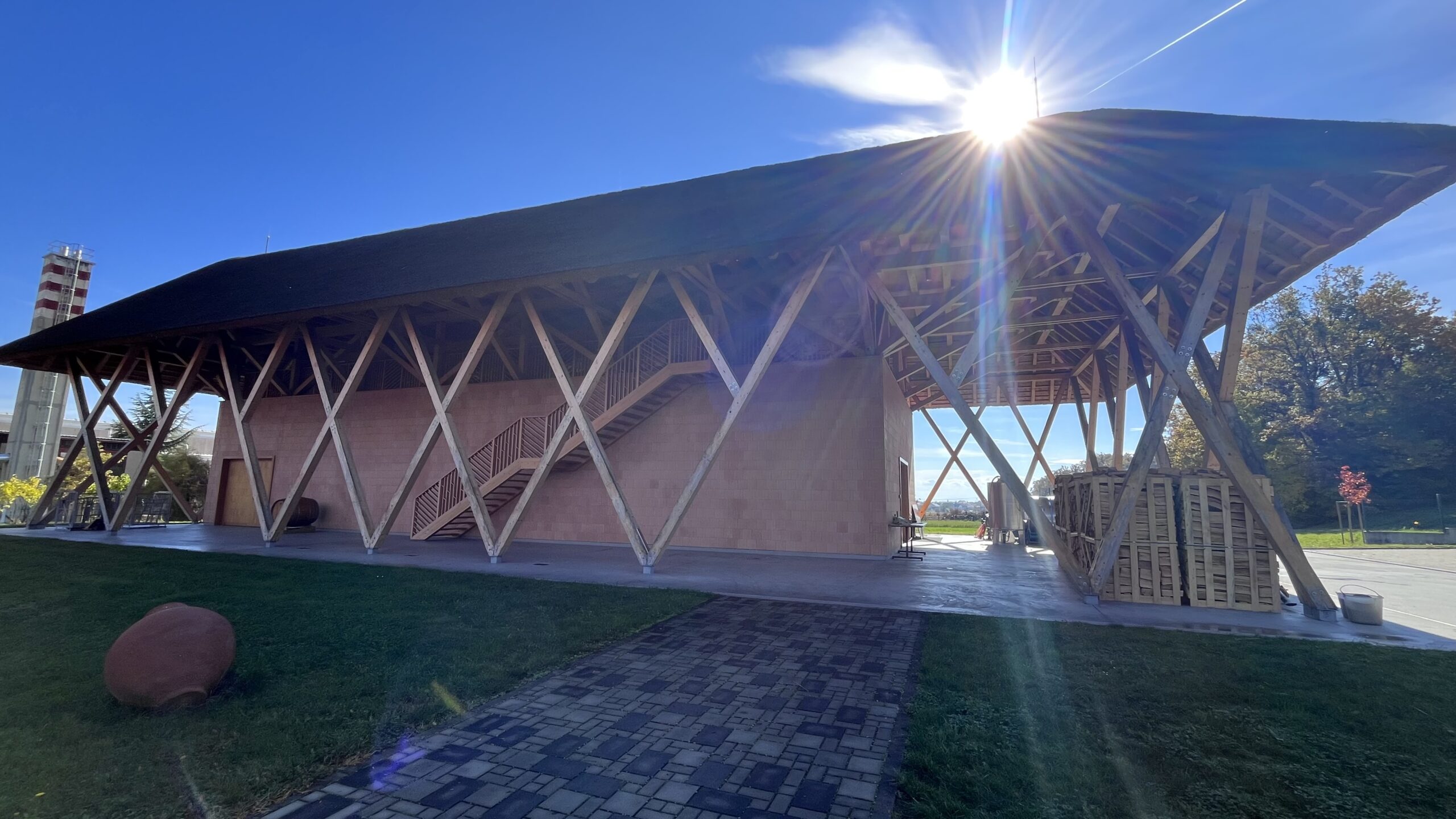
Tomac Winery
The cross-visit was hosted by Tomac Winery, one of Croatia’s most renowned family-run wineries and the first to adopt a fully biodynamic approach. Situated on the sun-exposed slopes of Plešivica-Okić, the Tomac vineyards extend over 16 hectares planted with Riesling, Chardonnay, Sauvignon, Pinot Noir, and traditional local varieties. Around 70% of their production focuses on sparkling wines, complemented by still and amphora-aged wines. The family has been involved in winemaking for over a century and remains deeply committed to natural and sustainable viticulture.
Biodynamic Principles for Healthier Soils and Vines
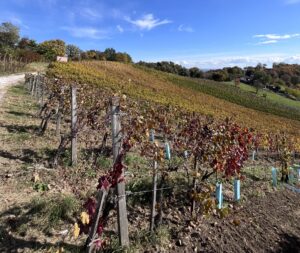
Tomac Winery vineyard
During the visit, the Tomac family presented their biodynamic production philosophy, which integrates natural preparations (BD500 and BD501), composting, and minimal external inputs. Their approach aims to improve soil quality, humus formation, and the natural growth cycle of vines, enhancing their overall vitality and resistance. Advisors observed that such practices result in soils rich in humus, improved water retention, and stronger vine resilience against powdery and downy mildew. However, challenges such as the American grapevine leafhopper (Scaphoideus titanus) and grapevine yellows (Flavescence dorée) persist and remain a key topic of integrated pest management discussions. Interestingly, the occurrence of ESCA disease appears to be lower in biodynamic vineyards, likely due to improved root health and soil balance.
Tradition Meets Innovation in Winemaking

Six amphoras, located at the Tomac Winery
The visit also highlighted the winery’s innovative use of Georgian amphorae (qvevri) for natural fermentation and the exclusive use of native yeasts. This combination of traditional craftsmanship and modern ecological understanding makes Tomac Winery a unique example of how biodynamic viticulture can reduce chemical dependency while enhancing soil and plant health.
The Plešivica cross-visit emphasized the importance of knowledge exchange among advisors, providing a valuable opportunity to discuss practical experiences, challenges, and successes in sustainable viticulture.

Leave a Reply